Navigating vehicle insurance in Nepal can feel like decoding a complex puzzle of bluebooks, tariffs, and regulatory guidelines. Whether you are zipping through Kathmandu traffic on a scooter, cruising on the Highway in an EV, or driving a commercial vehicle, understanding how rates work is essential for protecting both your wallet and your peace of mind.
Here is a clear, human-friendly guide to understanding vehicle insurance rates, coverage options, and mandatory rules in Nepal.
1. The Two Main Types of Vehicle Insurance
In Nepal, vehicle insurance is categorized into two distinct levels under the Nepal Insurance Authority (formerly Beema Samiti) guidelines:
A. Third-Party Liability Insurance (Mandatory)
- What it is: Legally required for all registered vehicles under Nepal’s Motor Vehicles and Transport Management Act.
- What it covers: Personal injury, death, or property damage caused to other people (third parties) or their vehicles/property during an accident. It also provides limited mandatory personal accident coverage for driver and passenger staff.
- What it does NOT cover: Any repair costs or damages to your own vehicle.
B. Comprehensive Insurance (Optional but Recommended)
- What it is: Full-spectrum protection that includes mandatory third-party liability plus coverage for your own vehicle.
- What it covers: Accidental collisions, fire, theft/burglary, natural disasters (landslides, floods, earthquakes), and malicious damage/riot risks.
2. How Insurance Rates Are Calculated in Nepal
Unlike some Western markets where rates vary wildly based on credit scores, insurance tariffs in Nepal follow standard framework guidelines established by the Nepal Insurance Authority. However, your total premium depends on several distinct factors:
| Vehicle Class | Primary Pricing Determinants | Typical Cost Dynamic |
| Two-Wheelers (Bikes/Scooters) | Engine displacement (cc) & vehicle age | Fixed third-party rates; percentage of IDV (Insured Declared Value) for comprehensive coverage. |
| Private Cars / Four-Wheelers | Engine capacity (cc), seats, & vehicle value | Higher cc engines pay slightly higher base rates; overall value determines total comprehensive fee. |
| Electric Vehicles (EVs) | Motor power rating (kW) & battery capacity | Specialized rate slabs based on kW capacity (e.g., $<20\text{ kW}$, $20\text{–}50\text{ kW}$, etc.). |
| Commercial Vehicles | Carrying capacity (tons/passengers) & usage type | Priced according to risk level and seating/tonnage limit. |
3. What Affects Your Premium Cost?
- Insured Declared Value (IDV): The current market value of your vehicle after deducting standard yearly depreciation. A brand-new NPR 4,000,000 car pays a higher comprehensive premium than a 5-year-old car valued at NPR 2,200,000.
- Engine / Motor Power: Higher cubic capacity (cc) in fuel vehicles or higher Kilowatt (kW) ratings in EVs place the vehicle into a higher premium bracket.
- No-Claim Bonus (NCB): If you drive safely and don’t file any claims during a policy year, you earn a discount on your renewal premium (often ranging from 15% up to 50% over consecutive claim-free years).
- Taxes & Add-ons: All insurance premiums in Nepal are subject to 13% VAT. Optional add-ons—such as Zero Depreciation coverage or specialized EV battery protection—add a small extra fee to your base rate.
Insurance Rates in Nepal
Here is the official breakdown of vehicle insurance costs in Nepal categorized by engine displacement (cc) and motor capacity (kW/W).
Insurance in Nepal is divided into Mandatory Third-Party Insurance (with fixed tariffs set by the Nepal Insurance Authority) and Comprehensive Insurance (which covers your own vehicle at its market value).
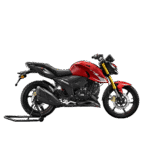
1. Two-Wheelers (Bikes & Scooters)
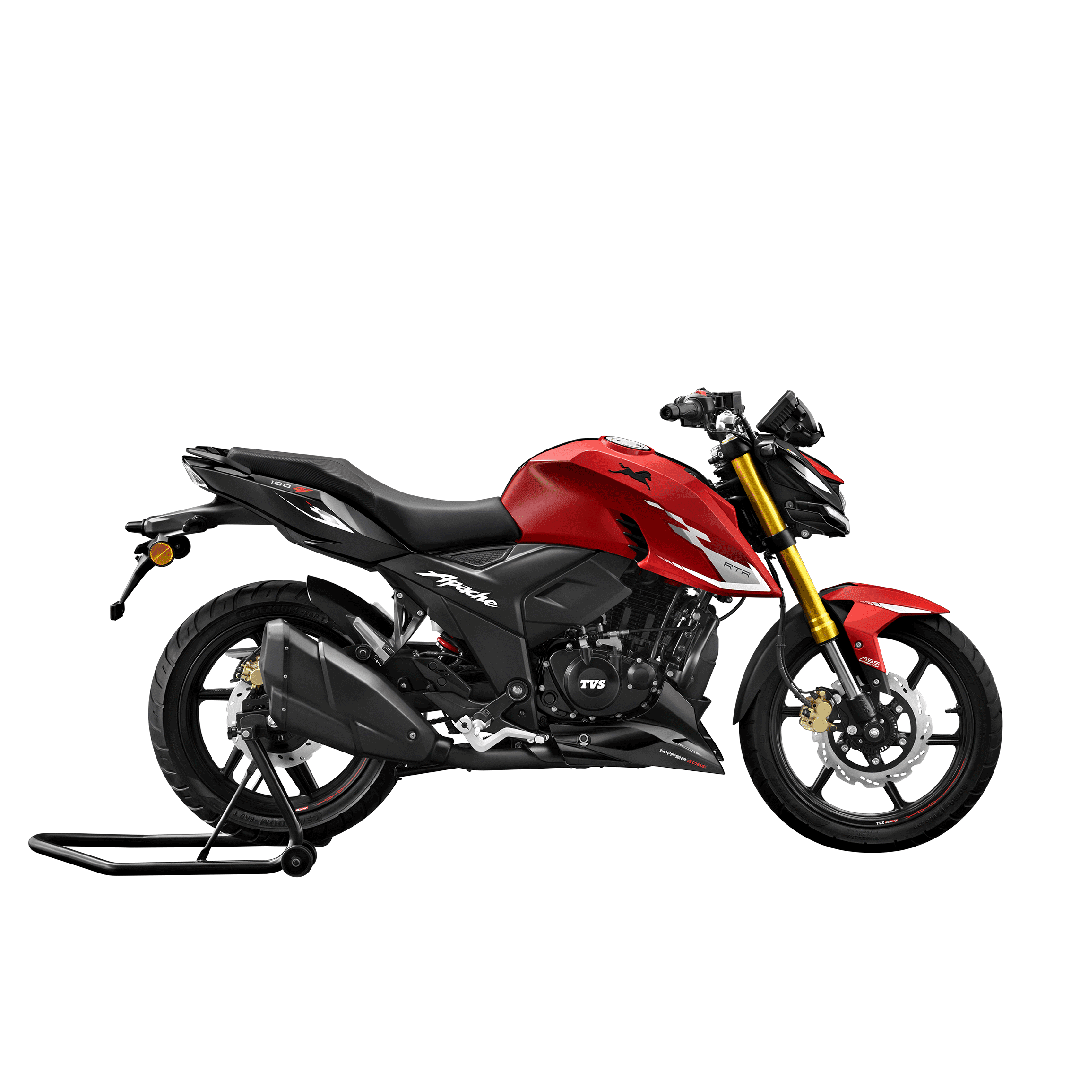
For petrol-powered motorcycles and scooters, third-party rates increase slightly as engine capacity grows.
| Engine Capacity (cc) | Third-Party Premium (Fixed) | Avg. Comprehensive Premium (Est.) |
| Up to 149 cc | NPR 1,715 | NPR 3,500 – NPR 5,500 |
| 150 cc to 250 cc | NPR 1,941 | NPR 5,000 – NPR 8,500 |
| 251 cc and above | NPR 2,167 | NPR 8,500 – NPR 18,000+ |
Comprehensive Estimate: Comprehensive insurance for two-wheelers typically costs around 1.25% to 1.75% of the vehicle’s Insured Declared Value (IDV) plus the base third-party rate and 13% VAT.
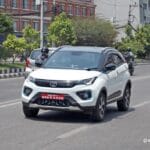
2. Private Cars, Jeeps, & SUVs
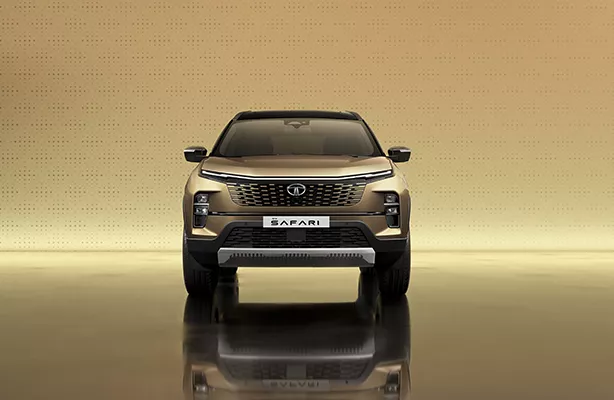
Four-wheeler third-party rates jump significantly because the potential liability in a car accident is higher.
| Engine Capacity (cc) | Third-Party Premium (Fixed) | Avg. Comprehensive Premium (Est.) |
| Up to 1,000 cc | NPR 7,365 | NPR 22,000 – NPR 35,000 |
| 1,001 cc to 1,600 cc | NPR 8,495 | NPR 35,000 – NPR 55,000 |
| 1,601 cc and above | NPR 10,747 | NPR 55,000 – NPR 120,000+ |
3. Electric Vehicles (EVs)
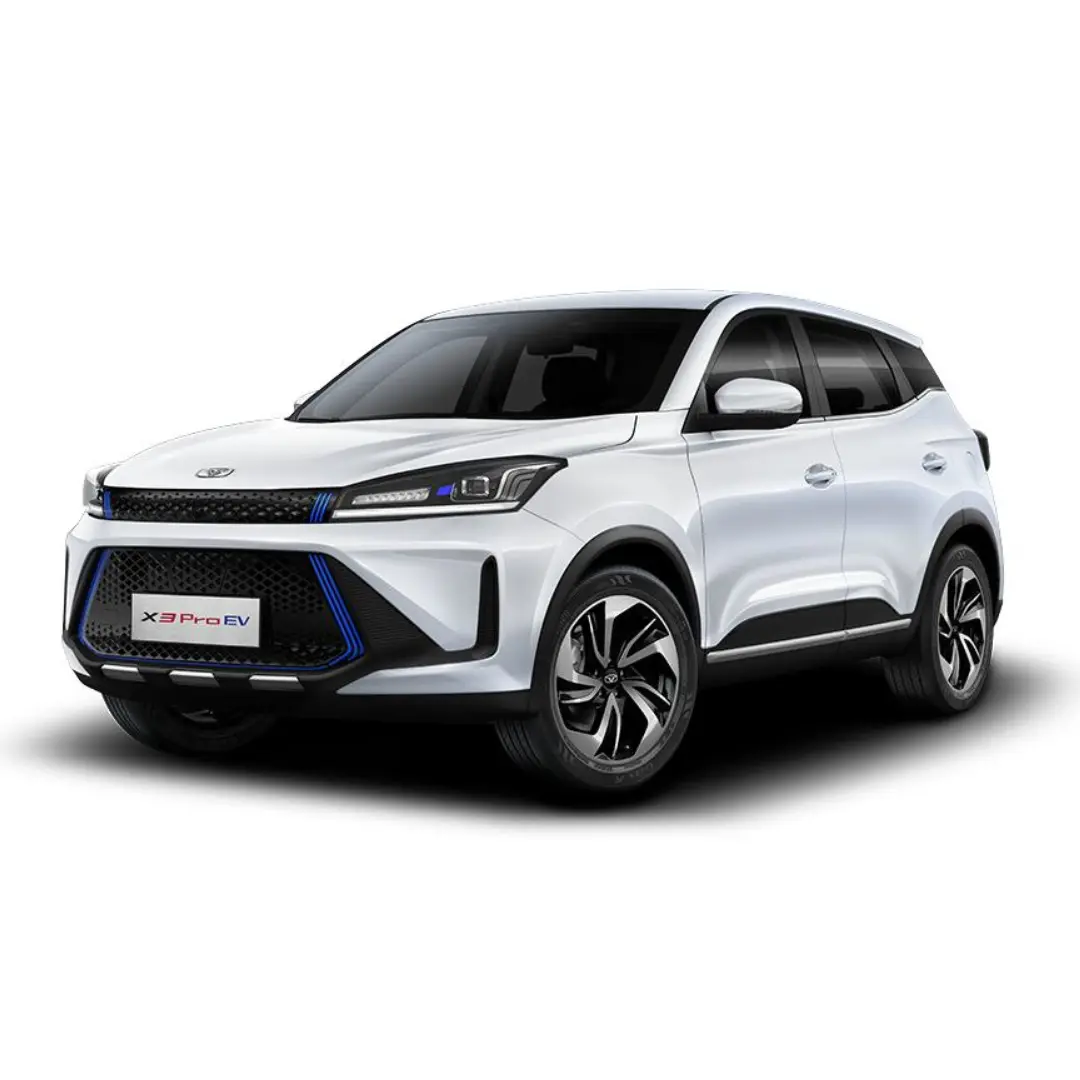
Electric vehicle insurance tariffs are categorized by motor power in Watts (for 2-wheelers) or Kilowatts (for 4-wheelers).
EV Two-Wheelers (Scooters / Motorcycles)
- Below 800 W: NPR 1,715 (Third-Party)
- 800 W – 1,200 W: NPR 1,945 (Third-Party)
- Above 1,200 W: NPR 2,167 (Third-Party)
EV Four-Wheelers (Cars / SUVs)
- Below 20 kW: NPR 7,365 (Third-Party)
- 20 kW and above: NPR 8,495 (Third-Party)
Note on EV Comprehensive Coverage: EV comprehensive insurance is slightly higher than petrol cars of similar value because battery replacement coverage and electrical system risk add specialized premiums.
4. Other Vehicles (Commercial, Taxis & Heavy Equipment)
- Taxis & Auto-Tempos: NPR 4,500 – NPR 7,500 for third-party coverage (varies by seating capacity and route permissions).
- Goods Trucks & Commercial Pickups: Scaled by carrying capacity (tonnage). Third-party base rates range between NPR 6,000 and NPR 14,000+.
- Tractors & Agriculture Vehicles: NPR 3,000 – NPR 5,000 for standard third-party liability.
Key Documents Required to Buy or Renew
When visiting a non-life insurance provider (or applying online), keep these documents handy:
- Bluebook (Vehicle Registration Certificate)
- Driver’s License
- Citizenship Certificate (or company registration if registered commercially)
- Duly filled proposal form & KYC document
Is vehicle insurance mandatory by law in Nepal?
Yes. Under the Motor Vehicles and Transport Management Act, at least Third-Party Liability Insurance is legally mandatory for all motorized vehicles (bikes, cars, scooters, and commercial vehicles) running on public roads in Nepal.
Can I renew my vehicle Bluebook without active insurance?
No. The Transport Management Office (Yatayat Karyalaya) requires a valid Third-Party Insurance policy before accepting your annual road tax payment or renewing your Bluebook.
What is a “No Claim Bonus” (NCB), and how does it reduce costs?
An NCB is a reward discount given when you renew your comprehensive policy without having filed any claims during the preceding policy year.
1 Year Claim-Free: ~15% to 20% discount on your own-damage premium.
3+ Consecutive Claim-Free Years: Discounts can reach up to 35% – 50%.
Note: NCB applies to the comprehensive portion of the premium, not the mandatory third-party base rate.